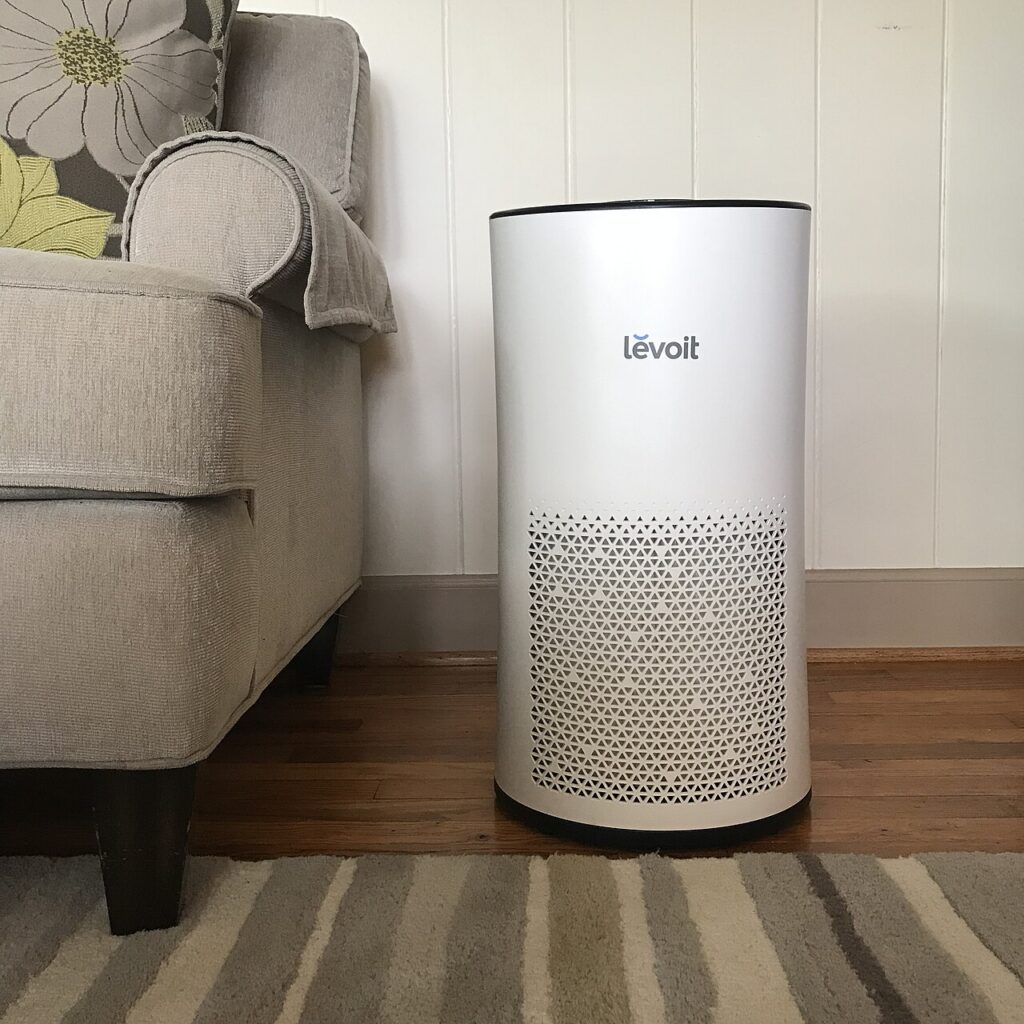

An air cleaner should be selected for a defined room and a manageable filter routine. The largest coverage claim in a headline can hide important assumptions about ceiling height, fan settings, and air movement. Start by measuring the space and deciding where the unit can run with unobstructed airflow. This guide addresses shopping criteria, without promising a medical result.
Define the room you want to serve
Record the floor area, ceiling height, and whether the room opens into other spaces. A unit placed in an open-plan area is a different situation from one in a small closed bedroom. Check the manufacturer’s stated test conditions rather than treating every coverage figure as directly comparable.
ENERGY STAR’s buying guidance explains CADR as a measure of cleaned-air delivery and relates suitable capacity to room size. Use the actual published figures and conditions for the exact model. Do not combine the quietest operating mode with the highest output unless the documentation supports that combination.
Keep filtration in perspective
EPA guidance describes filtration as part of a broader approach that includes reducing sources of indoor pollutants and appropriate ventilation. No portable air cleaner removes every pollutant. Avoid a purchase framed as a guaranteed solution to every air-quality concern.
Separate particle filtration from any claims about odors or gases. Look for evidence for the exact function you need and any limitations the manufacturer states. A filter label alone is not enough to establish a whole-device outcome in your room.
Check placement and controls
Read the clearance requirements and identify a location where curtains, furniture, and walls will not obstruct the intended airflow. Include the power cable and normal walking routes. A unit that fits visually but must remain squeezed into a corner may not suit its instructions.
Choose controls you can operate consistently. If the unit uses an app, check which functions remain available on the appliance and what account or network requirements apply. A physical control panel can matter in a room shared by several people.
Price the filter routine separately
Find the exact replacement filter identifier, current availability from reliable sources, and the documented maintenance steps. Determine which parts are washable and which must be replaced. Do not wash a filter simply because a different product’s filter allows it.
Compare running noise at the setting you expect to use, using documented data or credible observations with stated conditions. Noise sensitivity is personal, and a maximum-output specification does not describe the quietest mode. Return terms can be useful when the sound matters to your room.
Make a room-specific shortlist
Your comparison should include documented room suitability, the relevant clean-air delivery figures, operating controls, placement, and replacement supplies. Keep purchase price separate from the continuing filter and energy costs. Use actual current inputs if calculating a budget.
If reliable model evidence is incomplete, leave the claim unresolved. A useful choice has a clear job in a defined room and a maintenance process the household can keep up with.
Sources
Based on the manufacturer and primary-source references below, checked November 12, 2026.
Continue with our smarter shopping field guide and explore more home kitchen guides. Read our editorial policy for sourcing and corrections.