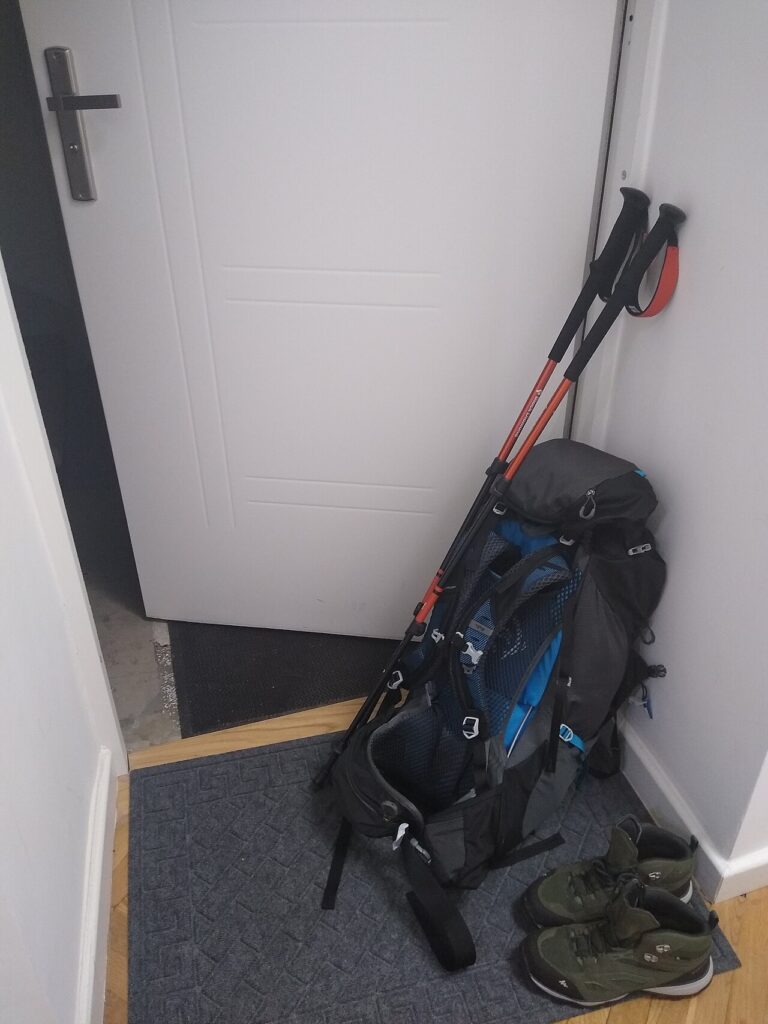

A short hike still requires a pack that fits the outing, expected conditions, and the equipment you need to carry. Begin with a realistic packing list and the route’s requirements. A compact bag can be convenient, but buying the smallest possible pack is not the same as choosing a suitable one. The goal is a stable, accessible arrangement for the actual trip.
Build the load before selecting volume
Lay out the water, food, layers, navigation resources, and other appropriate supplies for your plan. Consider the weather, terrain, and possible delays. Use an established outdoor planning resource for trip preparation; this article focuses on selecting a bag, not deciding what makes a particular outing safe.
Compare the bulky items first. A jacket, container, or camera can shape the needed space more than several small accessories. Leave room to pack without forcing closures or hanging essential items insecurely outside the bag.
Choose capacity for the outing
REI’s pack guidance discusses activity, duration, load, and body fit as separate decisions. Use those factors to narrow a range rather than treating one liter figure as correct for every short hike. A pack that is mostly empty may carry differently from the same bag with a full load.
Buying extra space can be useful for variable layers, but it can also encourage carrying unnecessary items. Consider the largest load you realistically repeat. If your plans change substantially by season or activity, acknowledge that one bag may involve compromises rather than expecting a universal fit.
Try the pack with weight
Adjust the pack according to its instructions and try it with a representative load. Check strap position, movement, access, and how it feels while walking. Body fit is individual; an empty showroom impression does not establish comfort throughout an outing.
Read torso-sizing information and any hipbelt guidance for the exact design. A belt on one pack can serve a different role from a substantial load-bearing hipbelt on another. Do not assume every visible strap provides the same support or adjustment range.
Plan water and layer access
Decide whether you use bottles, a reservoir, or another supported arrangement. Check pocket dimensions, hose routing if applicable, and whether a reservoir is included or sold separately. Make sure your preferred items fit without blocking access to the rest of the load.
Think about where a wet layer goes and how you will reach frequently used items. Outer pockets can add convenience, but their retention and closure matter. Test the arrangement while the bag is loaded instead of relying on a photograph of empty pockets.
Interpret weather claims carefully
Water-resistant fabric, a separate cover, and a waterproof dry compartment are different features. Read the exact claims and care instructions. Protect items according to the equipment and conditions rather than assuming every hiking pack keeps all contents dry.
Shortlist a design that fits your body and realistic load, keeps necessary items accessible, and has clear construction and care information. Choose the route and preparation with suitable current outdoor resources independently of the purchase.
Sources
Based on the manufacturer and primary-source references below, checked November 12, 2026.
Continue with our smarter shopping field guide and explore more fitness outdoors guides. Read our editorial policy for sourcing and corrections.