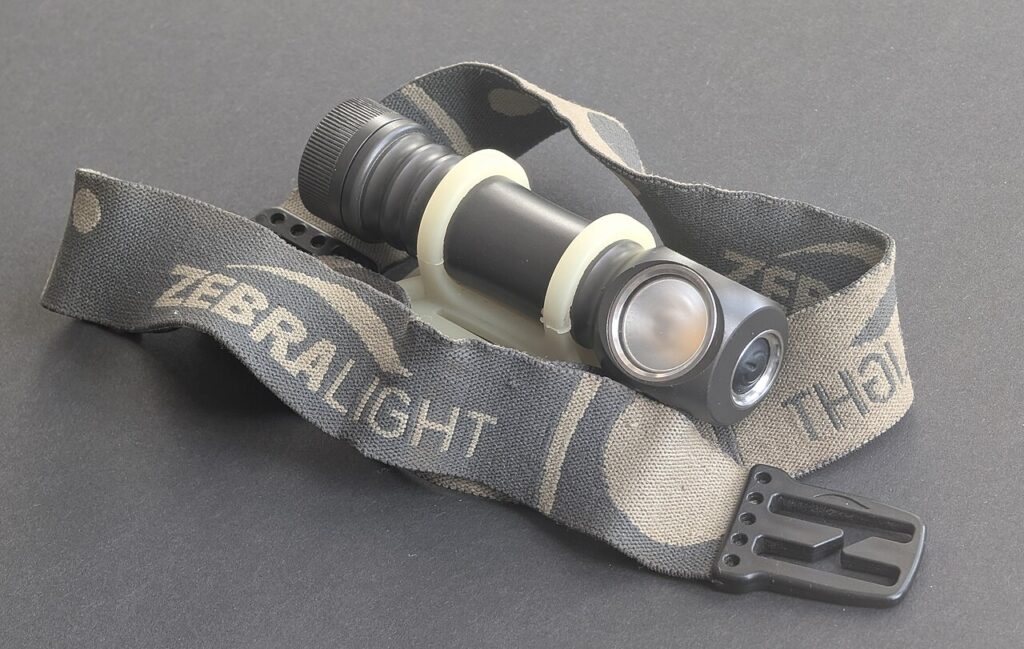

A headlamp is easier to choose when you describe what the light needs to illuminate. Reading a map, sorting a bag, walking a path, and looking farther ahead do not ask for the same beam. Compare the beam pattern, usable controls, documented runtime, and power arrangement before treating the highest lumen number as the deciding feature.
Separate output from beam shape
Lumens describe total light output, while beam pattern and distance describe how the light is directed. REI’s guidance distinguishes broad flood beams from focused spot beams. That distinction is useful for shopping, but it does not establish that any one headlamp suits every route or task.
Think about the area you need to see at the distance you use. A broad beam can be convenient for nearby work; a more focused beam serves a different purpose. If you want both, check how the exact model switches between or combines them rather than assuming all adjustable lights work alike.
Compare runtime on meaningful settings
Read the conditions behind runtime figures and how brightness changes during use. A headline duration may describe a lower setting, a particular battery, or an endpoint that differs from another product’s measurement. Do not combine maximum brightness and longest runtime into a performance claim the maker never provides.
Choose a normal operating mode for the task and look for suitable evidence about that mode. A short high-output boost can be a separate feature from continuous output.
Try the controls you will use
Check button size, mode order, lockout, tilt, and the ability to operate the lamp while wearing the clothing or gloves relevant to your use. A control that is simple on a bare tabletop may be awkward when the lamp is on your head.
A lockout or other documented transport behavior can help prevent accidental activation in a bag. Read the instructions rather than guessing a button sequence. Also check whether the lamp starts in a predictable mode or remembers a previous setting, if that matters to your routine.
Choose a workable power arrangement
A built-in rechargeable battery can simplify charging, while supported replaceable cells can allow a different preparation routine. Check the approved battery types, charging connection, and replacement options for the exact model. Do not interchange battery chemistries or charging methods without explicit manufacturer support.
For important outdoor use, plan suitable backup lighting and power using current activity-specific guidance. A purchase should not depend on stretching a marketing runtime figure to cover a critical need. This article is selection advice, not an expedition lighting plan.
Check fit and protection claims
Try the band, weight distribution, and tilt with the headwear you intend to use. Read the actual water-resistance rating and conditions rather than inferring waterproofing from an outdoor photograph. Follow the manufacturer’s cleaning and drying instructions after use.
The useful shortlist states the beam needed, the expected operating setting, the controls you can manage, and the power plan you can maintain. Those details are more informative than a brightness headline on its own.
Sources
Based on the manufacturer and primary-source references below, checked November 12, 2026.
Continue with our smarter shopping field guide and explore more fitness outdoors guides. Read our editorial policy for sourcing and corrections.