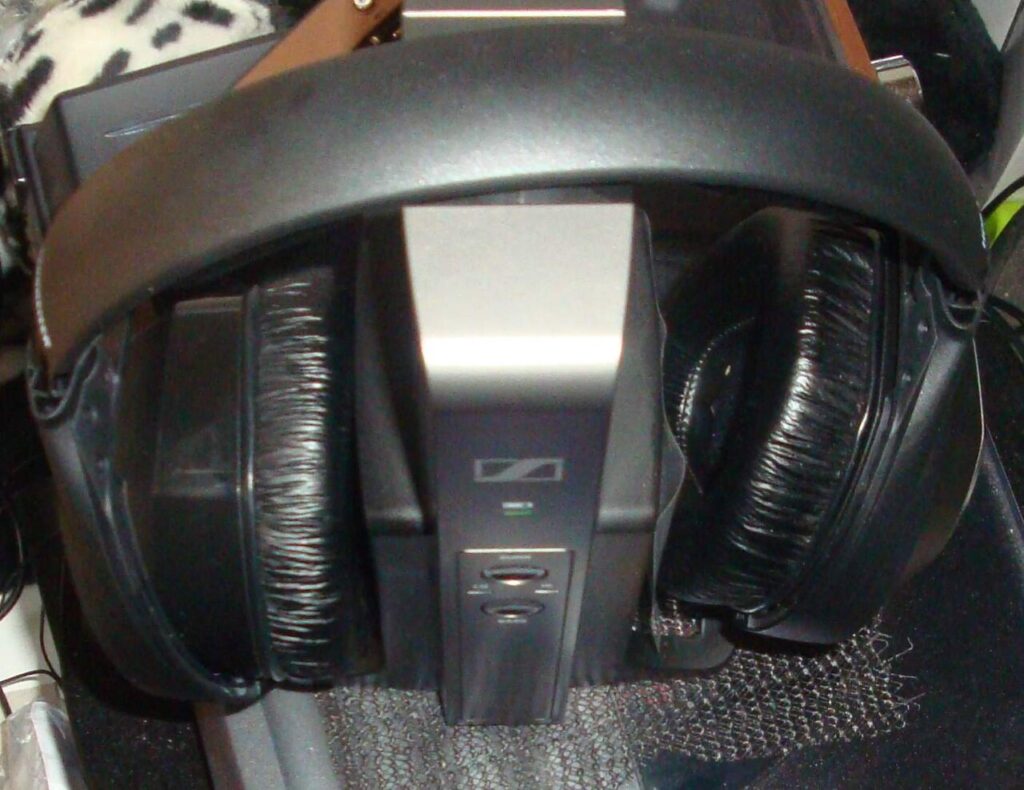

Wireless headphones are easy to compare by a row of headline features and harder to compare by how they fit into a day. A pair used for a quiet desk has different priorities from one used on a commute. Begin with where you listen, which devices you use, and how long you usually wear headphones.
Choose a form factor before a feature list
In-ear designs are easy to pack, but their feel depends on ear shape and tip fit. Over-ear designs take more room in a bag and distribute pressure differently. Glasses, hair, and movement can all affect the experience. Consider how you will store and carry the headphones as well as how they look.
If you cannot try a pair, check the seller’s return conditions carefully. Hygiene rules and opened-package restrictions can differ. A description of comfort is useful context, not a guarantee of the same fit for every reader.
Understand what the noise features are intended to do
Passive isolation, active noise cancellation, and microphone processing address different parts of listening or calling. Read the manufacturer’s explanation of each feature on the exact model rather than treating all noise-related terms as interchangeable.
If you need to stay aware of your surroundings, consider how ambient sound features are controlled and whether you can pause quickly. Features should support safe use in the place you plan to listen; they do not replace attention to your environment.
Check your devices and connection requirements
List your phone, computer, tablet, or game system. Check operating system requirements and supported connection methods. A feature available through a phone app may not work in the same way on a work computer.
If switching between devices matters, confirm how the exact model handles it. Do not assume that a recent wireless version number guarantees every audio feature. For wired use, check whether a cable is supported and whether the microphone works through that connection.
Look beyond the battery headline
Check the stated conditions behind battery estimates, including the settings used and whether a charging case is included in the total. Think about a realistic day away from a charger rather than relying only on the largest number.
Controls also matter. Physical buttons, touch surfaces, automatic pause, and companion apps have different strengths. Decide what you need to operate by feel, whether you can disable accidental controls, and how easy it is to use the headphones without an app.
Before you decide
Check replacement ear tips or pads, support documentation, warranty terms, and the exact package contents. If calls are a priority, seek evidence about microphone behavior in the environment you expect to use.
Compare specific models only after confirming current documentation and a return policy that fits your needs.
Make a listening-and-calling shortlist
Compare the same questions for each candidate: how it connects to your main computer, which functions need the app, whether wear parts are available, and what the merchant allows if fit is wrong. Keep listening convenience separate from microphone performance. A headphone feature list cannot establish how callers hear you in a particular room.
For commuting, test the controls you will need to find without looking at a screen. For home use, think about wearing glasses and moving between rooms. These are personal-use checks, not acoustic measurements. A useful shortlist can identify a preferred form factor without claiming one model has been independently tested.
Sources
Based on the manufacturer and primary-source references below, checked November 12, 2026.
Continue with our smarter shopping field guide and explore more tech guides. Read our editorial policy for sourcing and corrections.